Research

Research Directions

QuIC Lab develops quantitative, intelligent, and computational methods for multiscale biological imaging, dynamic molecular signals, cellular motion, and neural information.

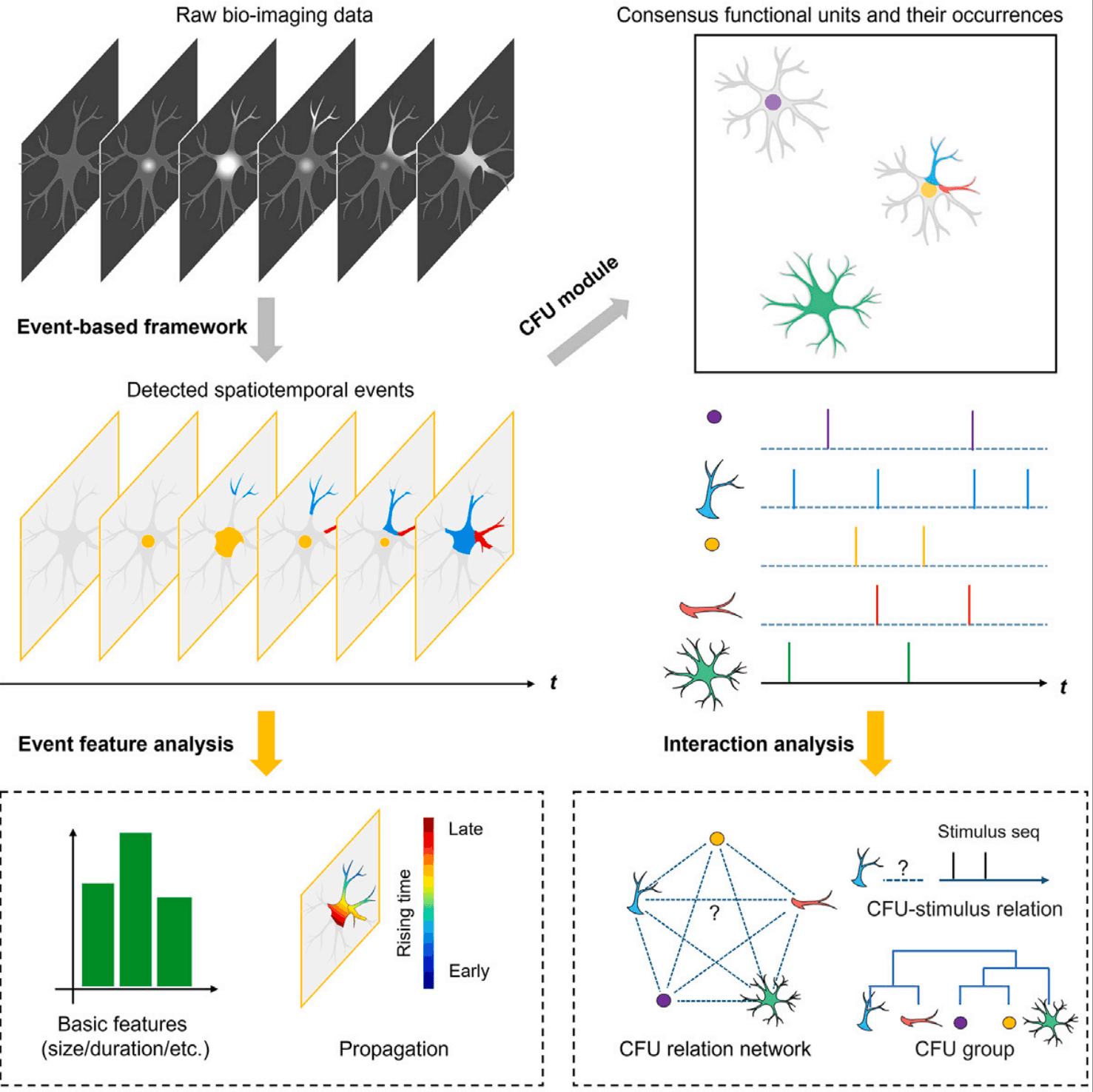
AQuA2 workflow figure placeholder

Spatiotemporal Molecular Signal Quantification (AQuA2)

AQuA2 (Activity Quantification and Analysis) is a tool for quantifying spatiotemporal signals across biosensors, cell types, organs, animal models and imaging modalities of biological fluorescent imaging data.

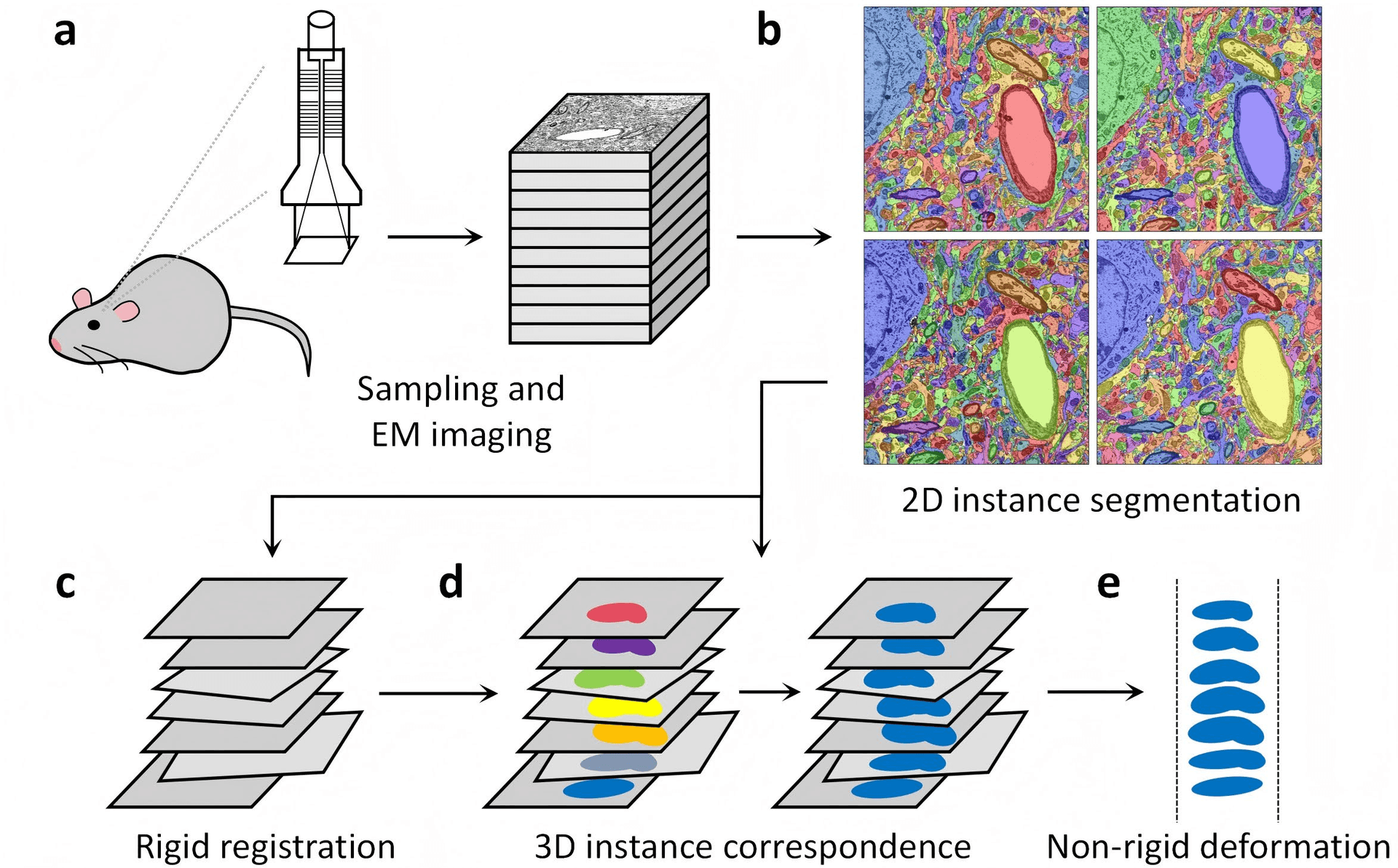
Electron Microscopy Connectomics

Building methods for large-scale electron microscopy data analysis, including neural structure reconstruction, organelle and synapse identification, connectome mapping, and scalable data processing. The goal is to turn dense ultrastructural data into reliable biological measurements.

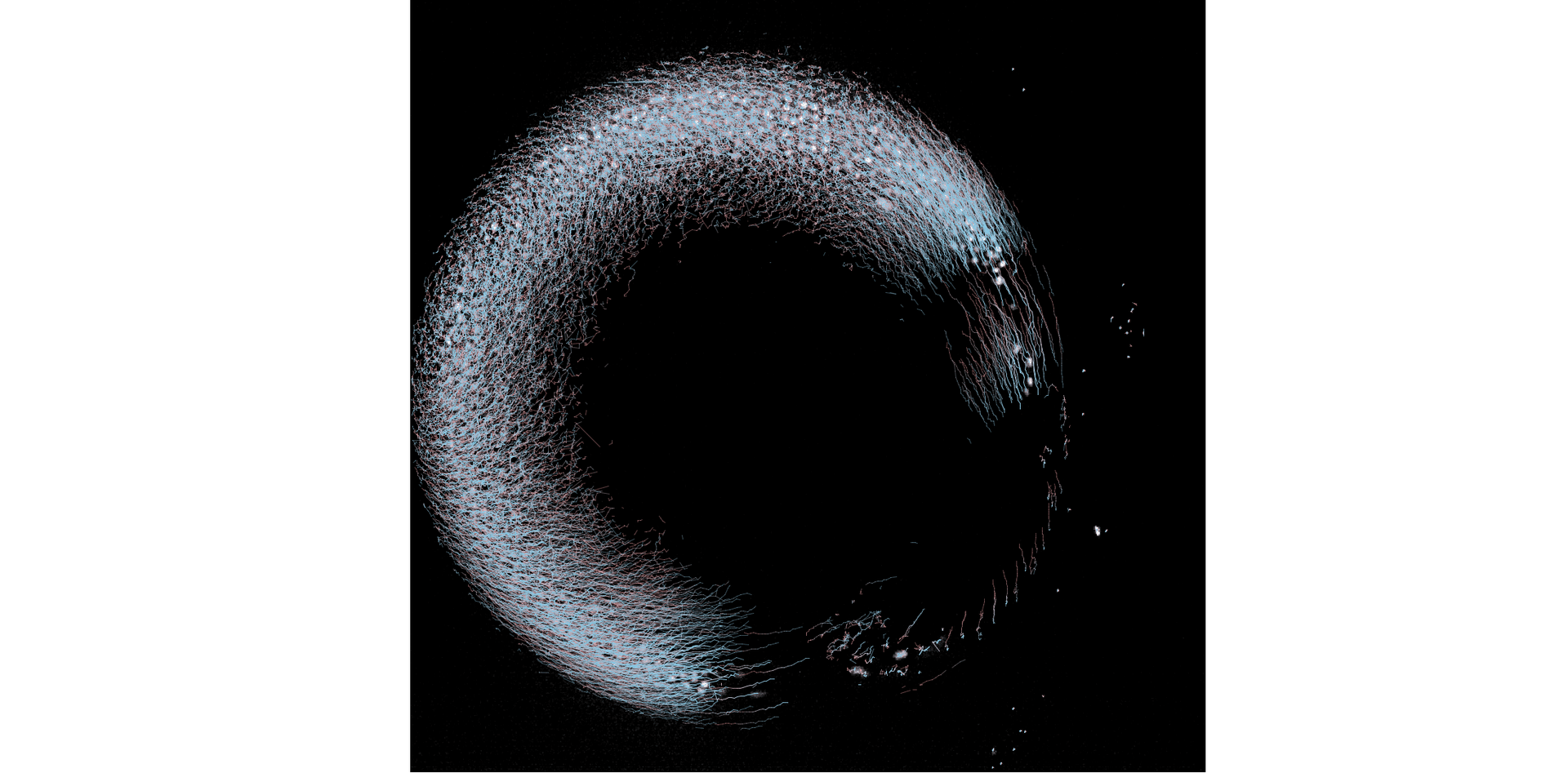
ITEC whole-embryo cell tracking workflow

3D Embryo Cell Tracking (ITEC)

Developing methods for accurate cell tracking and lineage reconstruction in 3D+t imaging data.

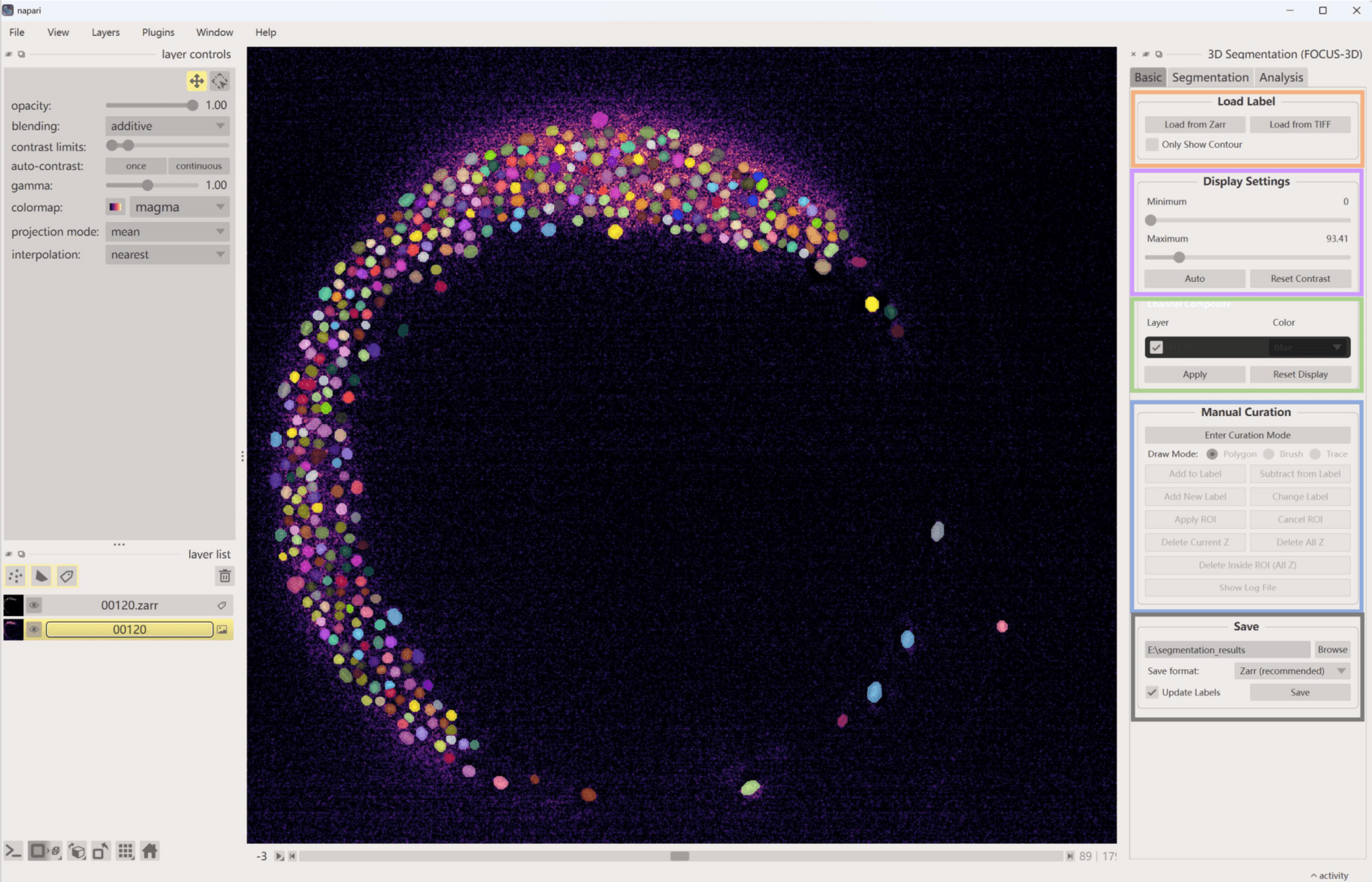
FOCUS-3D microscopy segmentation preview

3D Cell Segmentation (FOCUS-3D)

Developing foundation models for generalizable 3D cell and nuclei instance segmentation across organisms, tissues, and imaging modalities.

Open FOCUS-3D

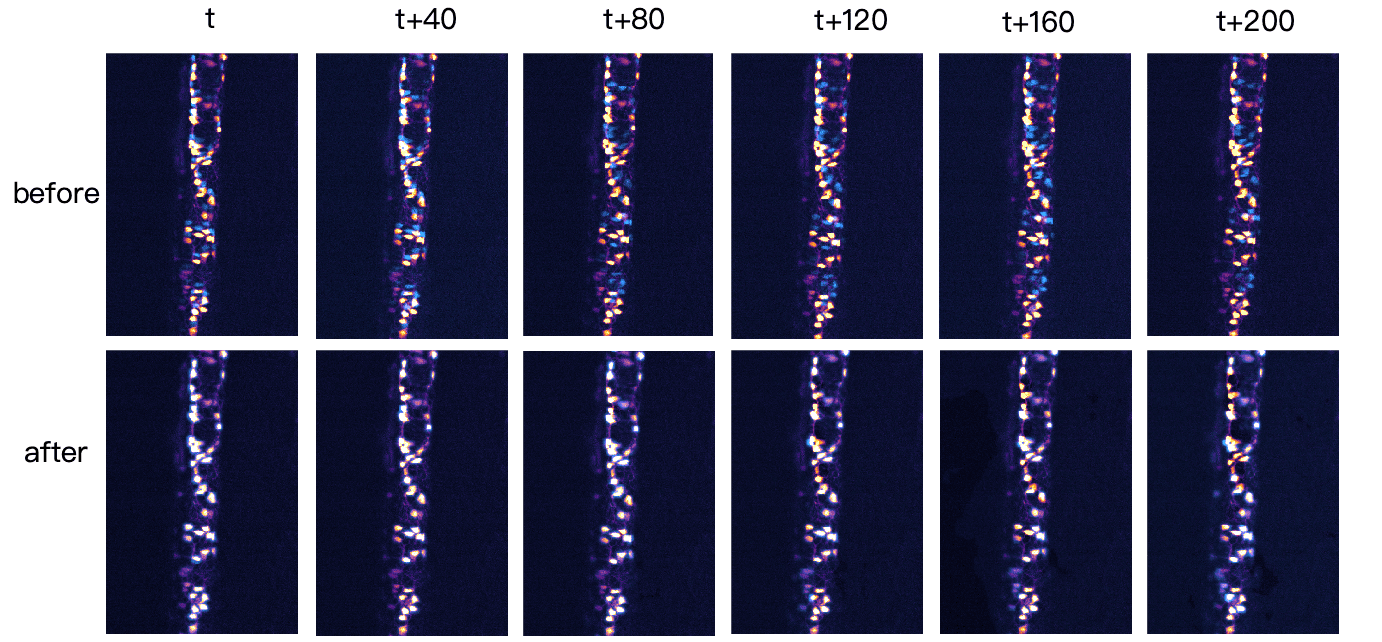
Fluorescence Registration

Developing high-resolution-reference-guided registration, motion correction, and spatiotemporal activity analysis methods for sparse, low-resolution, and dynamic functional imaging data. This supports reliable interpretation of neural and cellular activity movies.

Brain-Computer Interface

Combining neural signal analysis, computational modeling, and intelligent algorithms to study neural representation, decoding, and interaction in brain-computer interfaces. The direction emphasizes quantitative models that connect neural dynamics to behavior and control.